
Introduction
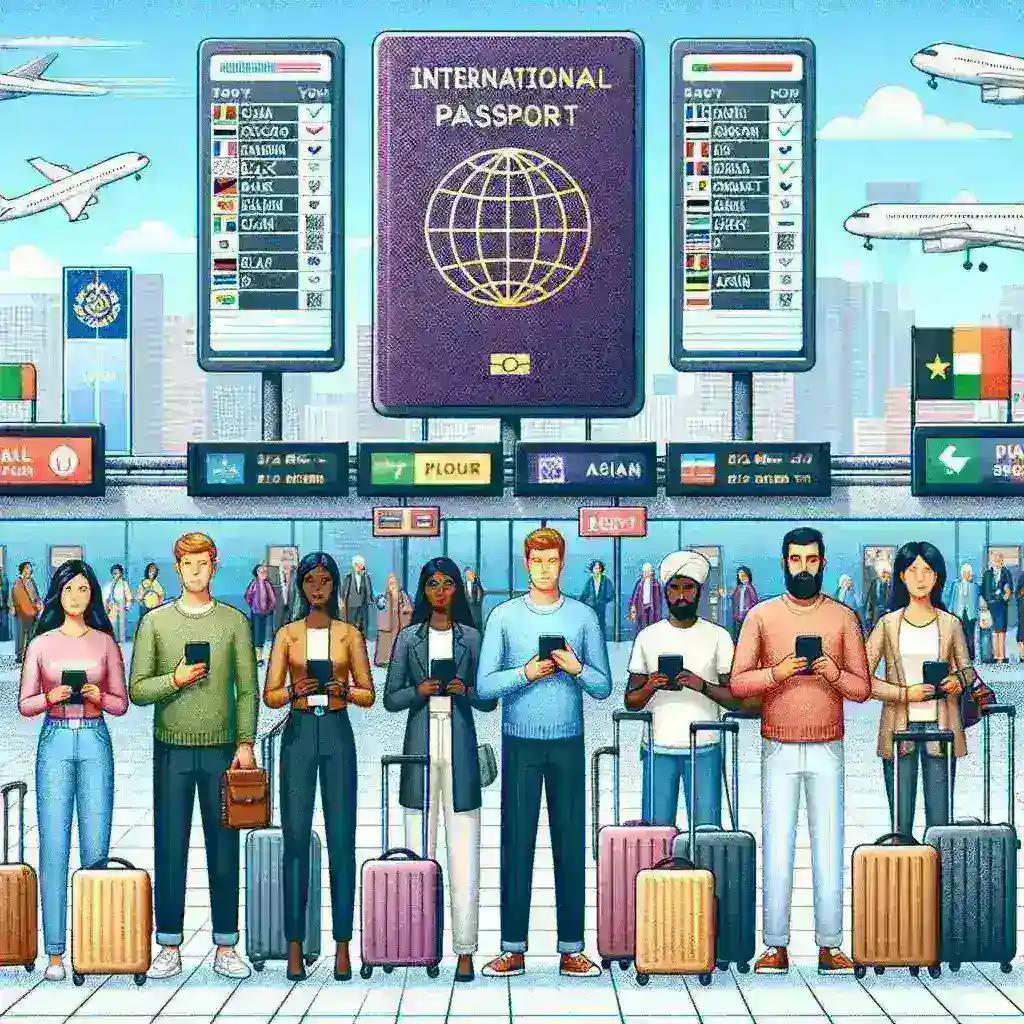
The landscape of international travel is undergoing a significant transformation with the advent of digital identity passports. As countries around the world embrace technological advancements, the necessity for secure, efficient, and reliable travel documentation becomes paramount. This article delves into the implications of making digital identity passports mandatory for international travel, examining their benefits, challenges, and future trends.
The Rise of Digital Identity Passports
Digital identity passports are electronic documents that store a traveler’s personal information securely. Unlike traditional passports, which are printed on paper, these digital formats provide enhanced security features and a streamlined process for both travelers and border control authorities.
Historical Context
The concept of digital identity has been evolving for years. The introduction of electronic passports (e-passports) in the early 2000s marked the first step towards digitizing travel documentation. E-passports include a microchip containing biometric information, which allows for automated verification. As cyber threats and identity theft have grown, the need for a more sophisticated and secure form of identification has become clear.
Current Trends and Adoption
Countries like Estonia and Canada have already implemented digital identity solutions for their citizens. These initiatives have proven successful in enhancing security and improving user experience. More recently, the COVID-19 pandemic accelerated the need for contactless travel solutions, paving the way for digital identity passports to gain traction globally.
Benefits of Digital Identity Passports
- Enhanced Security: Digital identity passports utilize advanced encryption and biometric data, making them harder to forge or tamper with.
- Streamlined Process: Automated verification processes can expedite border control, reducing wait times for travelers.
- Reduced Fraud: The use of biometric identifiers decreases the risk of identity theft and fraud.
- Convenience: Travelers can store their digital identities on mobile devices, simplifying the process of accessing their travel documents.
Challenges Ahead
Despite the numerous advantages, the adoption of digital identity passports is not without challenges:
Privacy Concerns
As with any digital system, there are concerns regarding data privacy and security. The collection and storage of biometric data raise questions about how this information will be protected from unauthorized access.
Technological Barriers
Not all countries possess the infrastructure to implement digital identity systems effectively. Developing nations may struggle with the technological advancements required to create a secure digital identity framework.
Public Acceptance
For digital identity passports to be successful, public acceptance is crucial. There may be resistance due to mistrust in digital systems, particularly among populations that are less tech-savvy.
Future Predictions
Looking ahead, the global travel industry is likely to evolve in several key areas:
Increased Collaboration
Countries will need to collaborate to establish international standards for digital identity passports, ensuring interoperability across borders.
Integration with Other Technologies
As digital identity technology matures, we may see integration with other innovations, such as blockchain, to further enhance security and transparency.
Impact on Travel Experience
The implementation of digital identity passports could significantly transform the travel experience, making it faster and more efficient. This shift may also lead to the development of new services and applications that cater to travelers’ needs.
Expert Insights
Industry experts have weighed in on the future of digital identity passports:
“The transition to digital identity passports is a vital step in modernizing international travel. While there are hurdles to overcome, the long-term benefits far outweigh the challenges. Security, efficiency, and traveler convenience must be the focal points of this transition.” – Dr. Emily Carter, Cybersecurity Expert
Conclusion
As digital identity passports become mandatory for international travel, the benefits are undeniable. Enhanced security, efficiency, and convenience pave the way for a new era in global travel. However, addressing challenges related to privacy, technological readiness, and public acceptance will be crucial for successful implementation. The future is bright for digital identity, and it holds the promise of revolutionizing how we travel across borders.