
Understanding Cloud-Native Database Architecture
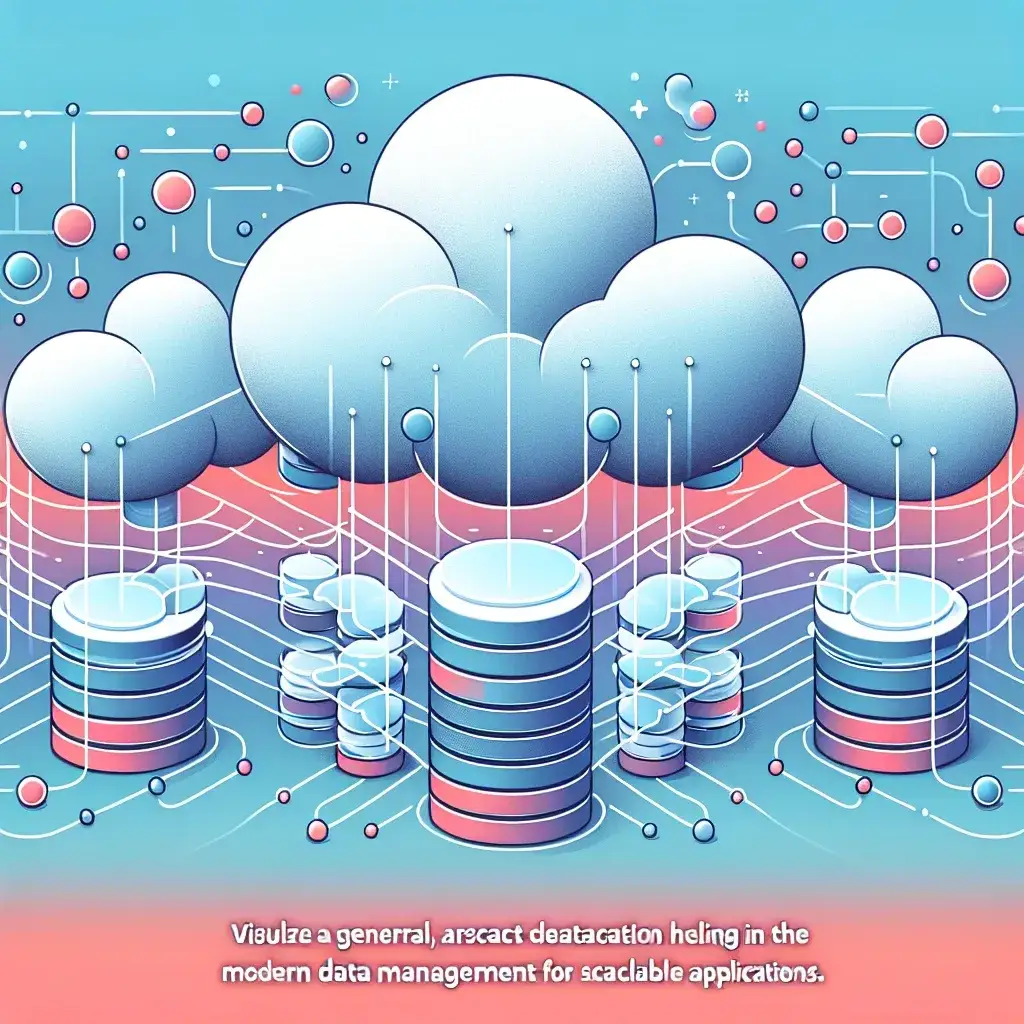
Cloud-native database solutions represent a fundamental shift in how organizations approach data management in the digital age. Unlike traditional databases that were designed for on-premises infrastructure, these modern solutions are built from the ground up to leverage the full potential of cloud computing environments. They embrace principles of microservices architecture, containerization, and distributed computing to deliver unprecedented levels of scalability and resilience.
The architecture of cloud-native databases is inherently different from their traditional counterparts. They are designed to be stateless, horizontally scalable, and fault-tolerant. This means they can automatically distribute data across multiple nodes, handle failures gracefully, and scale resources up or down based on demand. The result is a database system that can adapt to changing workloads without manual intervention or service interruptions.
Key Characteristics and Benefits
Cloud-native database solutions offer several compelling advantages that make them attractive to modern enterprises. Elasticity stands out as perhaps the most significant benefit, allowing databases to automatically adjust resources based on real-time demand. This capability eliminates the need for over-provisioning hardware and reduces operational costs significantly.
Multi-tenancy is another crucial feature that enables multiple applications or customers to share the same database infrastructure while maintaining complete isolation and security. This approach maximizes resource utilization and reduces per-user costs, making it particularly valuable for Software-as-a-Service (SaaS) providers.
The distributed nature of cloud-native databases ensures high availability and disaster recovery capabilities. Data is automatically replicated across multiple geographic regions, providing protection against localized failures and ensuring business continuity. This geographical distribution also improves performance by serving data from locations closer to end users.
Leading Cloud-Native Database Platforms
The market offers numerous cloud-native database solutions, each with unique strengths and specialized use cases. Amazon Aurora exemplifies the serverless approach, providing MySQL and PostgreSQL compatibility while delivering up to five times the performance of standard MySQL databases. Its architecture separates compute and storage, allowing for independent scaling and cost optimization.
Google Cloud Spanner addresses the challenge of global consistency in distributed databases. It provides ACID transactions across multiple regions while maintaining low latency and high availability. This makes it ideal for applications requiring strong consistency guarantees across geographically distributed deployments.
Microsoft Azure Cosmos DB takes a multi-model approach, supporting document, key-value, graph, and column-family data models within a single service. Its global distribution capabilities and multiple consistency levels provide flexibility for diverse application requirements.
Implementation Strategies and Best Practices
Successfully implementing cloud-native database solutions requires careful planning and adherence to established best practices. The first consideration involves data modeling, which must account for the distributed nature of cloud-native systems. Traditional relational modeling approaches may need modification to optimize performance in a distributed environment.
Security implementation takes on new dimensions in cloud-native environments. Organizations must implement encryption at rest and in transit, establish proper access controls, and ensure compliance with relevant data protection regulations. The shared responsibility model means that while cloud providers secure the infrastructure, customers remain responsible for securing their data and applications.
Monitoring and observability become critical in distributed database environments. Implementing comprehensive logging, metrics collection, and distributed tracing helps identify performance bottlenecks and troubleshoot issues across multiple services and regions. Tools like Prometheus, Grafana, and cloud-native monitoring solutions provide the necessary visibility into system performance.
Performance Optimization Techniques
Optimizing performance in cloud-native database environments requires understanding the unique characteristics of distributed systems. Data partitioning strategies play a crucial role in achieving optimal performance. Horizontal partitioning (sharding) distributes data across multiple nodes based on specific criteria, while vertical partitioning separates different types of data to optimize access patterns.
Caching mechanisms become even more important in cloud-native architectures. Implementing distributed caching solutions like Redis or Memcached can significantly reduce database load and improve response times. The key is to identify frequently accessed data and implement appropriate caching strategies without compromising data consistency.
Connection pooling and connection management require special attention in containerized environments. Since containers can be created and destroyed frequently, efficient connection management prevents resource exhaustion and ensures stable database performance under varying loads.
Migration Strategies from Legacy Systems
Migrating from traditional database systems to cloud-native solutions presents both opportunities and challenges. A phased migration approach often proves most successful, allowing organizations to gradually transition workloads while minimizing risk and maintaining business continuity.
The first phase typically involves migrating non-critical applications or implementing new features using cloud-native databases. This approach allows teams to gain experience with the new technology while keeping mission-critical systems stable. Data synchronization tools and hybrid architectures can maintain consistency between old and new systems during the transition period.
Application refactoring may be necessary to fully leverage cloud-native database capabilities. Applications designed for traditional databases might not take advantage of features like automatic scaling or distributed transactions. Refactoring applications to embrace microservices architecture can unlock the full potential of cloud-native databases.
Cost Optimization and Management
While cloud-native databases offer potential cost savings through improved efficiency and reduced operational overhead, effective cost management requires ongoing attention. Right-sizing resources involves continuously monitoring usage patterns and adjusting capacity to match actual demand rather than peak requirements.
Understanding pricing models is crucial for cost optimization. Most cloud-native database services offer multiple pricing options, including pay-per-use, reserved capacity, and spot instances. Choosing the appropriate model based on workload characteristics can result in significant cost savings.
Implementing automated cost monitoring and alerting helps prevent unexpected charges and identifies optimization opportunities. Cloud providers offer tools that track spending patterns and recommend cost-saving measures based on actual usage data.
Security Considerations and Compliance
Security in cloud-native database environments requires a comprehensive approach that addresses multiple layers of the technology stack. Identity and access management (IAM) forms the foundation of database security, ensuring that only authorized users and applications can access sensitive data.
Data encryption must be implemented at multiple levels, including encryption in transit, at rest, and in use. Advanced encryption techniques like transparent data encryption (TDE) and column-level encryption provide granular protection for sensitive information without significantly impacting performance.
Compliance with regulations like GDPR, HIPAA, and SOX requires careful attention to data residency, audit trails, and data retention policies. Cloud-native databases often provide built-in compliance features, but organizations must understand their responsibilities and implement appropriate controls.
Future Trends and Innovations
The cloud-native database landscape continues to evolve rapidly, driven by emerging technologies and changing business requirements. Artificial intelligence and machine learning integration is becoming increasingly common, with databases offering built-in AI capabilities for query optimization, anomaly detection, and predictive analytics.
Edge computing is driving demand for databases that can operate efficiently in distributed edge environments. This trend is leading to the development of lightweight, edge-optimized database solutions that can synchronize with central cloud databases while providing low-latency access to local data.
The rise of serverless computing is influencing database design, with more solutions offering serverless deployment options that eliminate the need for capacity planning and infrastructure management. These solutions automatically scale to zero when not in use, providing cost-effective options for intermittent workloads.
Quantum Computing Impact
Looking further into the future, quantum computing may fundamentally change database architecture and capabilities. While still in early stages, quantum databases could offer exponential improvements in processing complex queries and analyzing large datasets, opening new possibilities for data-intensive applications.
Conclusion and Strategic Recommendations
Cloud-native database solutions represent a transformative approach to data management that aligns with modern application development practices and business requirements. Their ability to provide elastic scalability, high availability, and cost-effective operations makes them essential components of digital transformation initiatives.
Organizations considering cloud-native databases should start with a clear understanding of their specific requirements and constraints. A well-planned migration strategy, combined with proper training and change management, can help realize the full benefits of these advanced database solutions. As the technology continues to mature and evolve, early adopters will be better positioned to leverage new capabilities and maintain competitive advantages in an increasingly data-driven business environment.
The journey to cloud-native databases is not just a technological upgrade but a strategic transformation that can enable new business models, improve operational efficiency, and accelerate innovation. Success requires commitment to learning, adaptation, and continuous improvement, but the potential rewards make this investment worthwhile for organizations serious about digital transformation.